What Are the Best China GNSS Receiver RTK Suppliers?
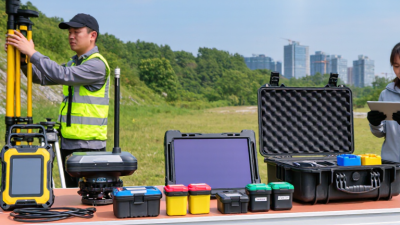
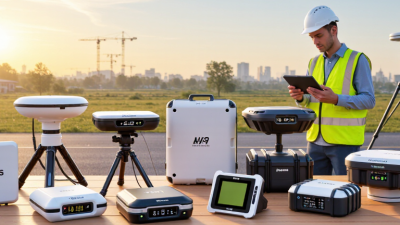
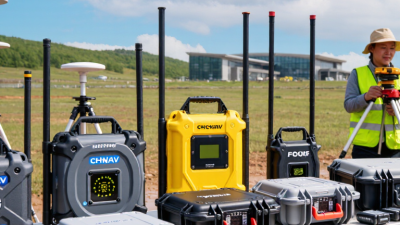
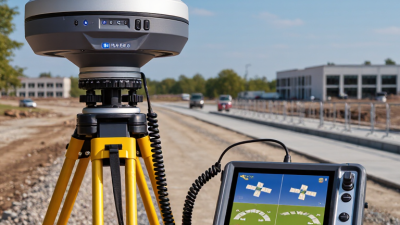
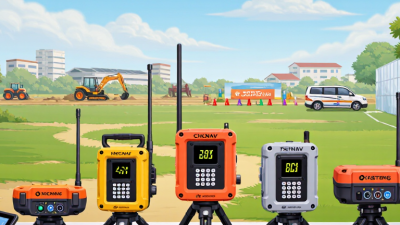
Picking out the best China GNSS Receiver RTK supplier isn't just about comparing prices or looking at how many satellite channels they offer. Honestly, how well a receiver performs depends on a bunch of factors—like how reliable the corrections are, the quality of the antenna, how stable the firmware is, the level of technical support, and whether they have good local service coverage. For instance, a receiver might work like a charm next to a test vehicle, but then struggle or even lose its fix when you're under trees, near reflective building walls, or during long days of surveying. It’s those everyday conditions that truly count. Professor Chris Rizos, a well-respected researcher in the GNSS field, once said, “GNSS positioning is a system, not just a receiver.” And honestly, that’s a lesson that everyone should keep in mind when comparing suppliers. Companies like CHCNAV, ComNav, Hi-Target, South, Tersus GNSS, and Unistrong all have their own strengths, whether it’s surveying, construction, mapping, agriculture, or machine control. But it’s important to judge their products based on real, tangible evidence—things like how quickly they initialize, how stable the baseline is, compatibility with different networks, correction formats, and how responsive their support teams are. Because at the end of the day, it’s the little details that matter. A dependable GNSS RTK receiver should be able to maintain centimeter-level accuracy when correction data is available and conditions are right. But don’t get lured solely by claims of accuracy—there’s more to it. Factors like installation skills, cellular coverage, the quality of reference stations, and how well operators are trained can make a huge difference to your results. This guide is all about looking at real-world, practical factors. Instead of falling for marketing fluff, we focus on product maturity, software ease of use, export support, the quality of documentation, warranty service, and reviews from the field. And let’s be real—nothing stays the same forever. Firmware updates, changes in regional networks, and evolving support standards can all shake things up. Plus, public testing data isn’t always perfect or consistent, so we need to keep that in mind. That’s why it’s so important to verify performance through live demos, reference projects, and official technical specs before committing to a GNSS RTK solution for professional work. It’s all about making an informed choice based on real evidence, not just marketing hype.
Read more »